Travel is exciting. It’s also tiring, occasionally chaotic, and sometimes just plain stressful. That’s fine when you’re just vacationing for a week or two, but teaching English abroad is a different experience.
As a TEFL teacher, you’re not just temporarily passing through a destination; you’re packing your life up and settling into another country for as long as a year. The questions you’ll ask are all around practicalities, like:
- How do you pack for a whole year abroad in a new and unfamiliar climate?
- How do you send money home without losing a chunk to bank fees?
- How do you adapt to a new culture without feeling overwhelmed?
With a few travel hacks up your sleeve, you’ll definitely be able to manage your life abroad with ease. Let’s get into it.
Master Your Money: Banking & Budgeting
Depending on your new location, adjusting to a new currency takes time. The new numbers may have you wondering just how much you’re actually spending while trying to do currency conversions on the fly. Our advice? Don’t wing it.
You’ll need to stop the urge to think in terms of your home currency. After all, your new teacher’s salary will be paid in the local currency, which brings us to our first hack:
Open a Local Bank Account ASAP
Do this shortly after arrival. Your teacher’s salary needs a home, and your school will likely assist you. In many countries where you don’t speak the language, a colleague (usually a co-teacher) may accompany you to the bank to get everything set up.
Use International Transfers
Sometimes your first paycheque takes a while, and you have to rely on savings to get you through that first month. What you don’t want to do is rely on your home bank account or airport currency exchange desks. High international transaction fees, poor exchange rates, and unexpected charges, such as currency conversion fees, can be a nasty surprise.
Savings is a huge reason people teach abroad, and regular bank transfer costs can add up. Luckily, there are cheaper options, such as Wise.
To use Wise abroad, all you need to do is add money to your Wise account from your home bank, convert it into the local currency in-app, then spend it with the Wise debit card or withdraw cash from ATMs at lower fees than regular banks.
Avoid Currency Conversion
Always choose to pay in the local currency when swiping — it’s almost always cheaper. That way, you get around what is known as Dynamic Currency Conversion (DCC). This is when an ATM, shop, or merchant offers to charge you in your home currency. The exchange rate offered is unfavourable, with a 3–7% markup, compared to your bank’s conversion rate.
Alternatively, you can always keep cash in hand, at least until you have your local debit card.
Get a Multi-Currency Travel Card
Wise, Revolut, or Charles Schwab are popular choices. These let you hold and spend in local currency with minimal fees and grant you ATM access in over 170 countries with mid-market rates.
Create a Budget
This is the number one piece of financial advice. You need to know where your money is going so that you can be strategic in your spending.
Track your spending in the local currency from day one — it helps you get used to the new numbers (like thousands and millions in Korean won) and stay on top of your budget while living abroad.
The easiest way to track spending is to use a budgeting app, such as Revolut, Mint, or YNAB (You Need A Budget). If you’re old-school and prefer a more hands-on approach, a simple spreadsheet will do.
Avoid Credit Card Debt
Stick to real money — you’re more likely to stay on budget.
Living Like a Local: Lifestyle Hacks
Being savvy with your money is not just about banking; lifestyle choices matter too. Here are a few lifestyle hacks to help you stretch your salary:
Furnish Your Apartment Thoughtfully
You don’t have to buy everything immediately — or brand new. Check out local thrift stores, shop online for secondhand deals, and remember your apartment is just temporary, so avoid unnecessary splurges.
Use Monthly Transport Passes
Regular public transport users may think this is a no-brainer, but a monthly transport pass saves you a lot in the long run. It also eliminates the worry of taxi meters running over or the shock of daily fares ramping up over the course of a month.
Shop Smart, Cook at Home or Eat Local
Local groceries and markets offer affordable staples that you can use to whip up a home-cooked meal. In TEFL hubs like Spain and South Korea, cooking is a great way to stretch your budget. However, in affordable countries like Vietnam and Thailand, eating local at street food stalls is far more convenient since many apartments lack a full kitchen or even a stove.
You don’t have to skip your favourite condiments at the pricey expat supermarkets, just rely on local ones for most of your groceries to avoid import costs.
Enjoy Local Dishes Over Expensive Western-Style Options
Don’t shy away from the local cuisine — it’s all part of that cultural immersion you’ve been looking forward to. It’s tempting to turn to popular franchises like McDonald’s, Starbucks, and Dunkin’ Donuts, but that taste of home is going to cost you.
Avoid the Expat Bubble
Mix local hotspots into your social calendar. Socialising exclusively in expat bars and restaurants becomes pricey.
Research the Cost of Living
Check costs in your destination city, not just the country. Cities, small towns and rural locations have very different financial realities.
Packing Smart: What TEFL Teachers Actually Need (And What to Leave Behind)
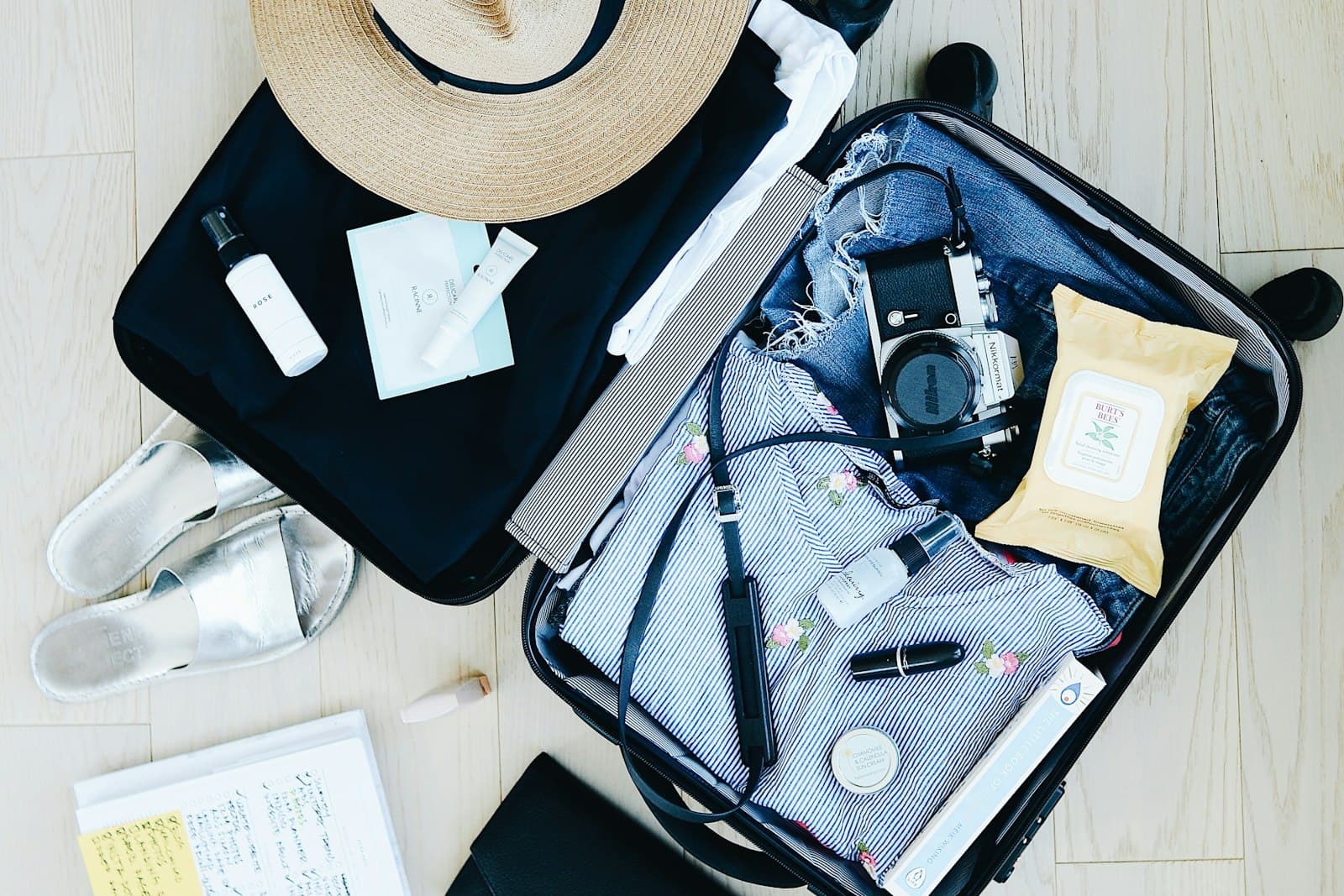
Remember, you’re packing for an extended stay abroad, but that doesn’t mean forcing your entire sneaker collection and bulky hairdryer into your suitcase. Pack light and buy locally.
Every country has clothing, toiletries, and household essentials — so pack enough for the first month and head to the shops for the rest. After all, you don’t want an overweight suitcase eating into your teaching salary before you’ve even landed — think of those hefty airline fees.
Here are a few items you should pack:
- Adapter plugs: Research your destination’s plug type before you go.
- Your laptop: You’ll need this for lesson planning, video calls home on a larger screen, and Netflix on the weekends. (Your new teacher’s apartment may not come with a TV!)
- Prescription medication with documentation: Specific medications may be hard to find in your location, so stock up for the entire year if possible. Make sure you have the proper paperwork.
- Comfortable, professional clothing: You’ll want to look professional at school and be comfortable in your new environment (and climate). Research the weather and country or school dress codes and pack accordingly.
- Certified copies of your credentials: You never know when an unexpected request to see your qualifications can come through — think payroll, government offices, job pivots, etc.
Finding Cheap Flights: Booking Strategies
Flights aren’t cheap, and not all employers cover the cost of flights. Even when they do, you’ll need to foot the bill until they reimburse you on the other side — and that could take a few weeks. Try these strategies:
Book Your Initial Flight as Early as Possible
Teachers with flexible schedules can take advantage of last-minute cheap flights.
Sign Up for Error Fare Alert Services
Try Secret Flying or Jack’s Flight Club. They alert you to mistake fares and heavily discounted flights.
Check Budget Airlines
Check airlines that operate regionally. Once you’re based in Asia or Europe, budget carriers make weekend travel incredibly affordable.
Use Google Flights’ Price Tracking Feature
Set alerts for your route well in advance to stay informed about price changes.
Be Flexible on Travel Dates
Flying mid-week tends to be cheaper than flying on weekends, particularly on Tuesday or Wednesday.
Staying Connected Abroad
You’ll want to keep in touch with family and friends back home. You’ll also need to stay connected to plan lessons, access useful apps, enjoy downtime with streaming services, and communicate with your school and new social network. This doesn’t have to cost a fortune. On arrival, you can:
Buy a Local SIM Card at the Airport
It’s typically cheaper than international roaming. Plus, you’ll need a working number for everything from banking to WhatsApp groups with colleagues.
Download Offline Maps
Before setting up your new SIM card, try saving areas on Google Maps for offline use before leaving the airport — you’ll need directions to get around.
Set Up a VPN Before You Leave Home
China’s firewall is well-known, but other countries might still restrict parts of the internet too. A reliable VPN will make sure you can catch your favourite shows and post your favourite snaps on Instagram.
Navigating Healthcare as a Teacher Abroad
The last thing you need abroad is to fall ill or have some sort of health mishap and realise you forgot to get health insurance. Doctor’s bills can ruin your experience if you’re unprepared. So before you board the plane, make sure you:
Get Comprehensive Travel Insurance
Basic travel insurance is not sufficient for a long-term stay. Consider providers like SafetyWing or World Nomads, which are popular among expat teachers.
Check Whether Your Employer Provides Health Insurance
Many schools in South Korea, China, and the UAE include this as part of the package. Read the fine print.
Register with a Local GP or Clinic Early
Figure out how the local healthcare system works before you fall ill.
Carry a Basic Medical Kit
Include any personal prescriptions, antihistamines, pain relief, and band aids.
Research your destination’s vaccination requirements and recommendations at least eight weeks before departure — some courses require multiple doses over several weeks.
Building Your Life Abroad: Practical Hacks for Settling In Fast
There are a few things you can do to settle in faster. These hacks will make a huge difference in those first few weeks:
- Join local Facebook groups and expat forums. Teachers who’ve already been around the block will answer pressing questions.
- Learn basic phrases in the local language. Just a handful of words and phrases can make a huge difference to your experience, and the locals will be impressed.
- Sort out admin in the first week. This includes health checks, SIM cards, internet, your bank account, transport cards, and any other registration requirements that need to be handled quickly.
- Find your nearest supermarket, pharmacy, and doctor. Simple everyday things like this can make daily life abroad a lot easier.
- Connect with your school’s existing foreign teachers where possible. They’ll be able to show you the ropes in your new workplace.
Final Thoughts
There’s no doubt about it, teaching abroad is a great adventure. Once you find the TEFL job of your dreams, being well-prepared is part of making that experience a great one — and these hacks will help you get there.
Find your next adventure by exploring the latest TEFL career opportunities.