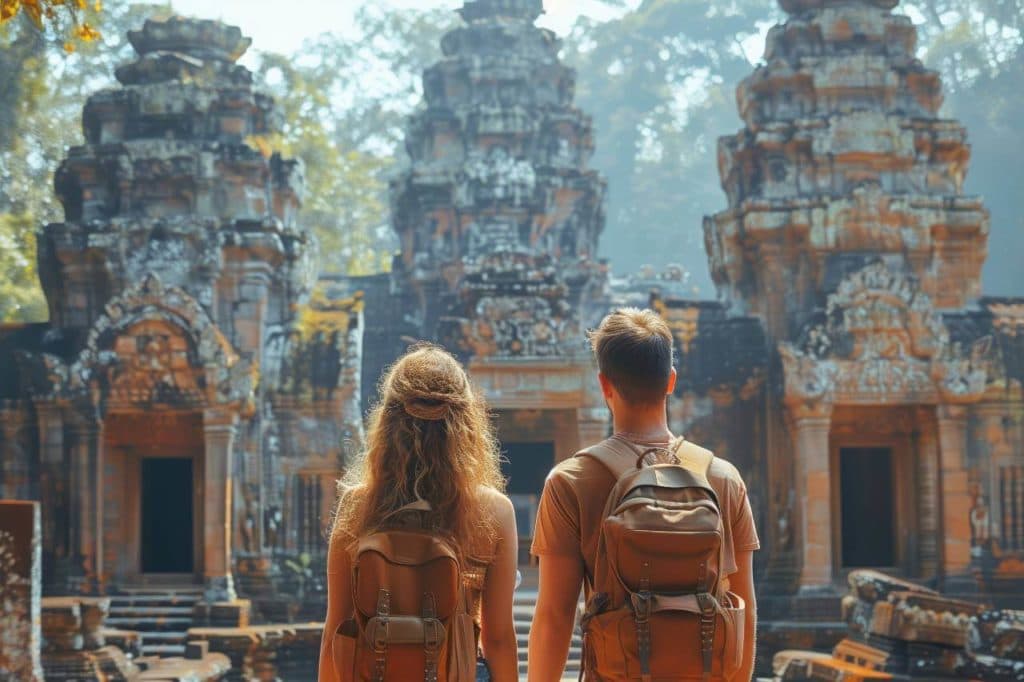
Cambodia is not the first country most people think of when they picture teaching English abroad. It does not have the sleek recruitment pipelines of South Korea or the well-oiled expat infrastructure of Thailand. But for teachers who value authenticity, cultural immersion, and the chance to make a tangible difference, Cambodia — the Kingdom of Wonder — offers something that more polished destinations simply cannot match.
Why Teach in Cambodia?
Cambodia is rustic, culturally rich, and deeply rewarding for the right kind of teacher. The Cambodian people are renowned for their warmth and hospitality, and teachers are held in high regard within the community. The cost of living is among the lowest in Southeast Asia, which means your salary — while modest by international standards — stretches remarkably far. A comfortable lifestyle including a private apartment, daily meals at local restaurants, and regular social outings is entirely achievable on a typical TEFL salary.
English education in Cambodia is growing rapidly, driven by the country's expanding tourism industry and increasing foreign investment. Parents see English proficiency as a pathway to better opportunities for their children, and the demand for qualified English teachers consistently outstrips supply.
Types of Schools
Teaching positions in Cambodia fall into several categories, each with a distinct character.
- Private institutions and international schools — These are the best-paying positions, typically located in Phnom Penh or Siem Reap. They cater to wealthier Cambodian families and expat children, offer structured curricula, and provide the most professional working environment.
- Locally-owned language schools — Found in every city and many towns, these schools offer English classes to students of all ages. Working conditions vary widely, and teachers should research each school carefully before committing.
- Small-town and rural schools — The most adventurous and impactful placements. Resources are minimal, class sizes can be large, and you may be the only foreign teacher the students have ever met. The cultural immersion and community connection in these positions is unparalleled.
Work Culture
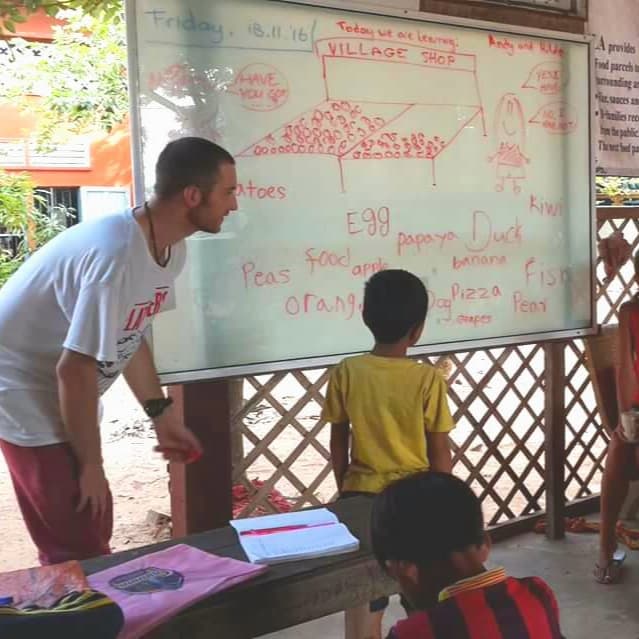
Unlike many TEFL destinations where you work as an assistant alongside a local teacher, Cambodia typically expects you to teach independently from day one. You will be the lead teacher in your classroom, responsible for planning lessons, managing behaviour, and assessing progress. Students range from ages 8 to 18, and classes often contain mixed ability levels.
Resources can be minimal, particularly outside Phnom Penh. Do not expect interactive whiteboards, colour printers, or extensive textbook libraries. Many teachers find themselves creating materials from scratch, which is challenging but also incredibly creative and rewarding. A whiteboard, markers, and your own ingenuity may be your primary tools.
Salary and Cost of Living
TEFL teachers in Cambodia typically earn between $700 and $1,200 per month, with international schools paying at the higher end. The cost of living is approximately 48.6% lower than in the United States. A one-bedroom apartment in Phnom Penh costs $235 to $390 per month. A meal at a local restaurant costs $2 to $4. A local beer costs about $0.75. Monthly utilities including internet run $40 to $80.
Teachers who choose to live as locals — eating at Cambodian restaurants, using local transport, and shopping at markets — can save $200 to $400 per month even on a modest salary. Those who prefer a more Western lifestyle will spend more but can still live comfortably.
Lifestyle and Location
Cambodia's location between Thailand, Laos, and Vietnam makes it an ideal base for exploring Southeast Asia. Weekend trips to neighbouring countries are affordable and straightforward. The tropical climate means warm weather year-round, with a rainy season from May to October that brings dramatic afternoon downpours but rarely disrupts daily life for more than an hour or two.
Daily life in Cambodia moves at a relaxed pace. Afternoon napping is a cultural norm, and many shops and businesses close for a couple of hours after lunch. Accommodation ranges from basic to comfortable — air conditioning is considered a luxury in budget apartments, but most teachers find it essential during the hot season from March to May.
Challenges to Consider
- Cambodia still faces significant social issues including poverty, limited healthcare infrastructure, and educational inequality. Teachers should be prepared for these realities.
- Large class sizes with limited resources require creativity and flexibility.
- Some schools use outdated teaching methods, and you may encounter resistance to modern, communicative approaches.
- Cultural navigation takes time — understanding local customs, communication styles, and workplace expectations requires patience and openness.
- Infrastructure outside major cities can be basic — expect unpaved roads, intermittent electricity in rural areas, and limited access to Western products.
Cambodia is not a destination for teachers seeking comfort and convenience above all else. It is a destination for those who want to be challenged, changed, and deeply connected to a community that genuinely values what they bring to the classroom.